
Tools for Seeing, Understanding and Shaping Territory
● Methods, Tools and Territorial Intelligence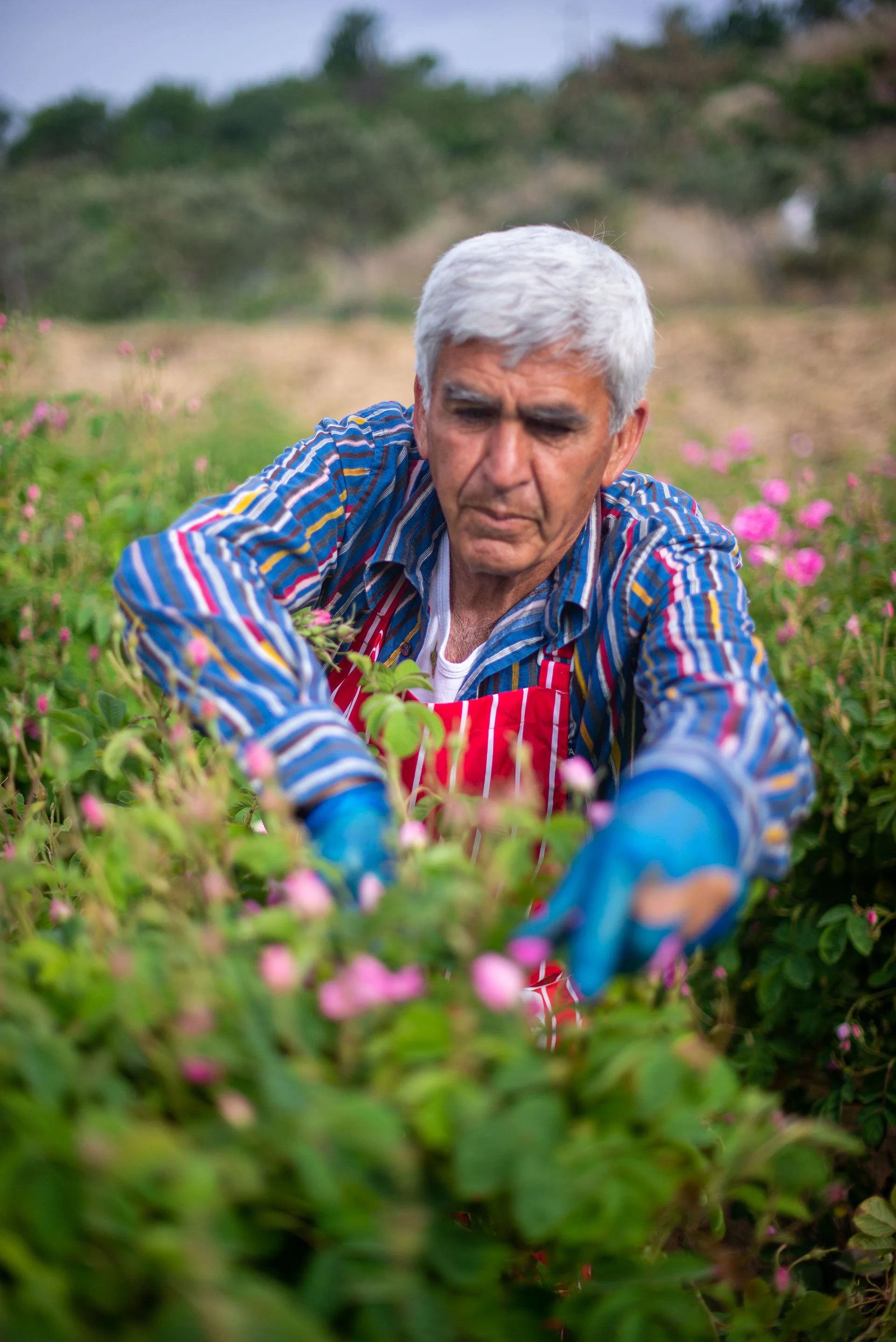
-
The sustainable and territorial approach provides the scientific foundation of MountMed’s work. It connects environmental limits, economic opportunities, social cohesion, natural and cultural heritage, local resources and quality of life. It also requires governance arrangements capable of coordinating public authorities, communities, entrepreneurs, researchers and civil society actors around shared territorial objectives.
MountMed applies methods and tools that translate the territorial approach into practice. The Institute’s methodological framework combines participatory approaches, activation diagnosis, territorial engineering, social innovation and digital tools for spatial intelligence.
Sustainable development harmonises the three major dimensions of human action (environment, economy and society) and supports a sustainable relationship among them, including the management and reproduction of natural and cultural heritage, as well as the quality of the living environment. In this context, the contribution of Territorial Development lies in activating local resources and increasing their added value, strengthening incomes and enhancing the territory’s attractiveness for its population.
A territory is not a fixed background. It is a geographical space shaped by history, culture, social networks, resources, institutions and actors. Territorial development recognises the active role of the territory as a factor of development: a process through which a local society, through social and political agreement and an appropriate institutional framework, defines its relationship with local resources, builds social ties, improves wellbeing and constructs territorial identity.
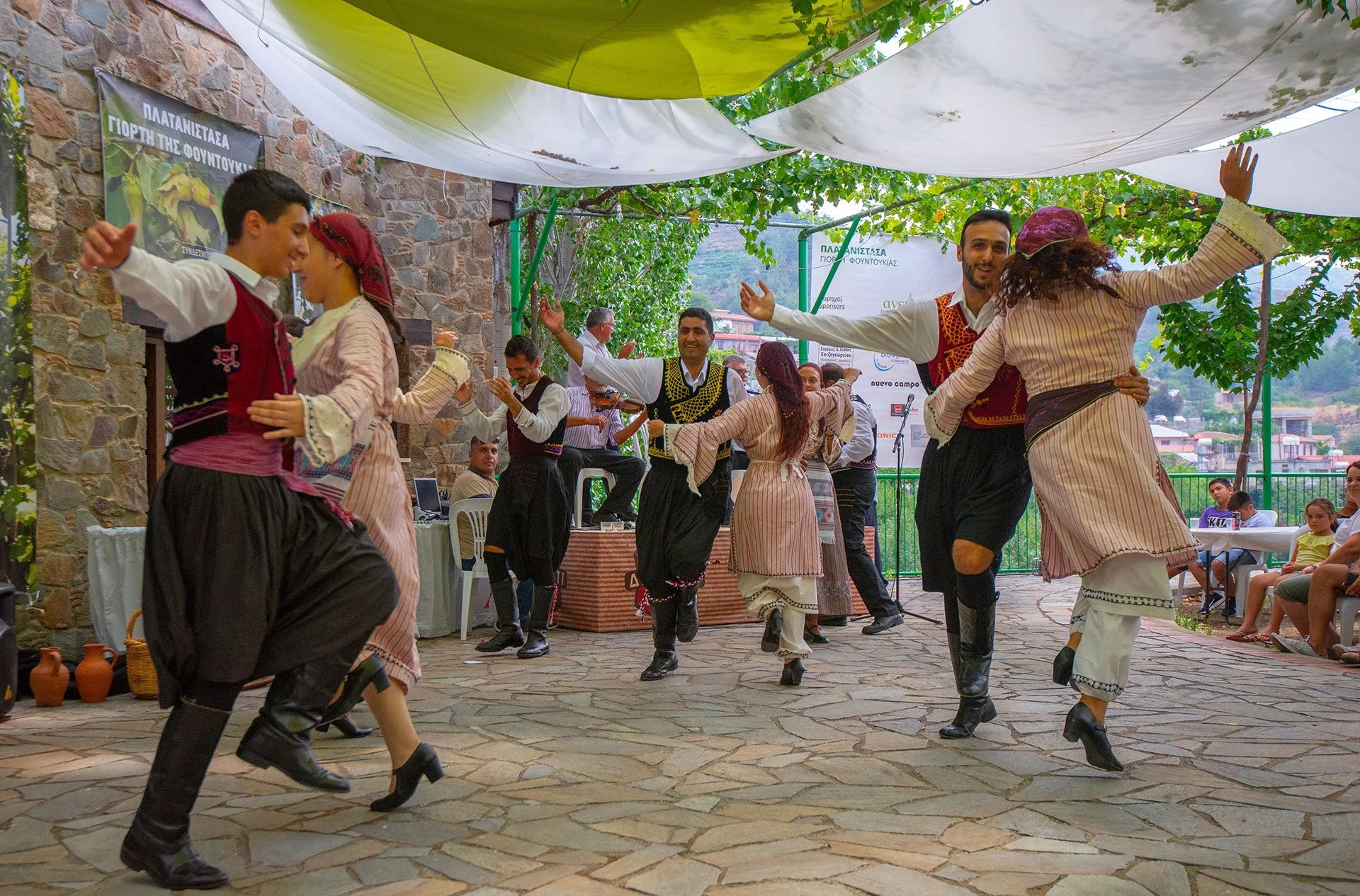
Territorialisation - the strengthening of the links between economic activity, local resources and heritage - is central to this approach. It helps transform resources into territorial value, supports the recognition of local products and practices, and strengthens the capacity of communities to organise development from within.
-
Territorial development depends on governance. It cannot be reduced to public administration alone, because the action for territorial development is produced through coordination among many actors and across several levels. The state remains an important interlocutor and regulator, but the organisational capacity of the territory is decisive. This is the logic of territorial engineering: the capacity to organise actors, knowledge, resources, tools, and institutions to design, implement, monitor, and adapt integrated territorial interventions.
For MountMed, territorial engineering means building the practical conditions through which a mountain territory can move from diagnosis to strategy and from strategy to action: local mobilisation, institutional coordination, data systems, participatory methods, project design, funding alignment and implementation support.
-
Participatory interactive diagnosis is the starting point of MountMed’s work in the field. It brings together local actors, researchers, public authorities and stakeholders to identify dynamics, needs, resources, vulnerabilities, opportunities and priorities. A territory is approached as a living system shaped by people, landscapes, productive activities, cultural memory, governance systems and institutional capacities.
The diagnosis helps build a shared understanding of the territory, reveal visible and hidden territorial resources and support the collective formulation of priorities for action. It is both an analytical process and a community-building process.
-
MountMed’s work is based on co-design and active community engagement. Communities, entrepreneurs, farmers, civil society organisations, public institutions, researchers and stakeholders are involved in designing responses to shared territorial challenges. This strengthens ownership, trust and long-term commitment.
Co-design helps transform scientific knowledge into usable knowledge. It supports decision-making, collective learning, and practical action in mountain territories, ensuring that planning and implementation are developed through dialogue, participation, and shared responsibility.
-
Participatory Guarantee Systems can support the valorisation of mountain products and local food systems by creating platforms where rural communities define development paths that combine economic and social development with the preservation of human and natural heritage. In this sense, mountain products are carriers of territorial identity, local knowledge, ecological responsibility and collective organisation.
The qualification of origin-labelled products is a collective process anchored in a territory defined by geographical coherence and historical identity. It connects product, terroir, typicity, protection, promotion, improved remuneration and safeguarding of gastronomic heritage. (Dominique Barjolle, “Product qualification and participatory guarantee systems”, in Mountain areas of large Mediterranean islands, 2021).
-
Spatial data, mapping and visualisation are essential tools for understanding mountain territories and supporting participatory planning. MountMed uses these tools to make territorial dynamics visible, support dialogue among actors and strengthen evidence-based decision-making.
Such tools help organise geodatabases, communicate spatial change and support hybrid environments that connect past, present and future territorial scenarios. The Troodos Spring School, organised by MountMed in 2023, highlighted the role of 3D geo-visualisation and geoinformatics in supporting participatory processes in rural and mountain areas.
-
A territorial information system is an integrated framework for collecting, analysing and visualising spatial, environmental and socio-economic data. For MountMed, such systems support the operation of the Territorial Living Lab and facilitate dialogue among local actors, stakeholders and experts.
A territorial information system strengthens the capacity of communities and institutions to understand their territory and its dynamics, monitor change, identify priorities and design integrated actions. It is both a technical tool and a governance tool: a shared knowledge infrastructure for territorial development.