
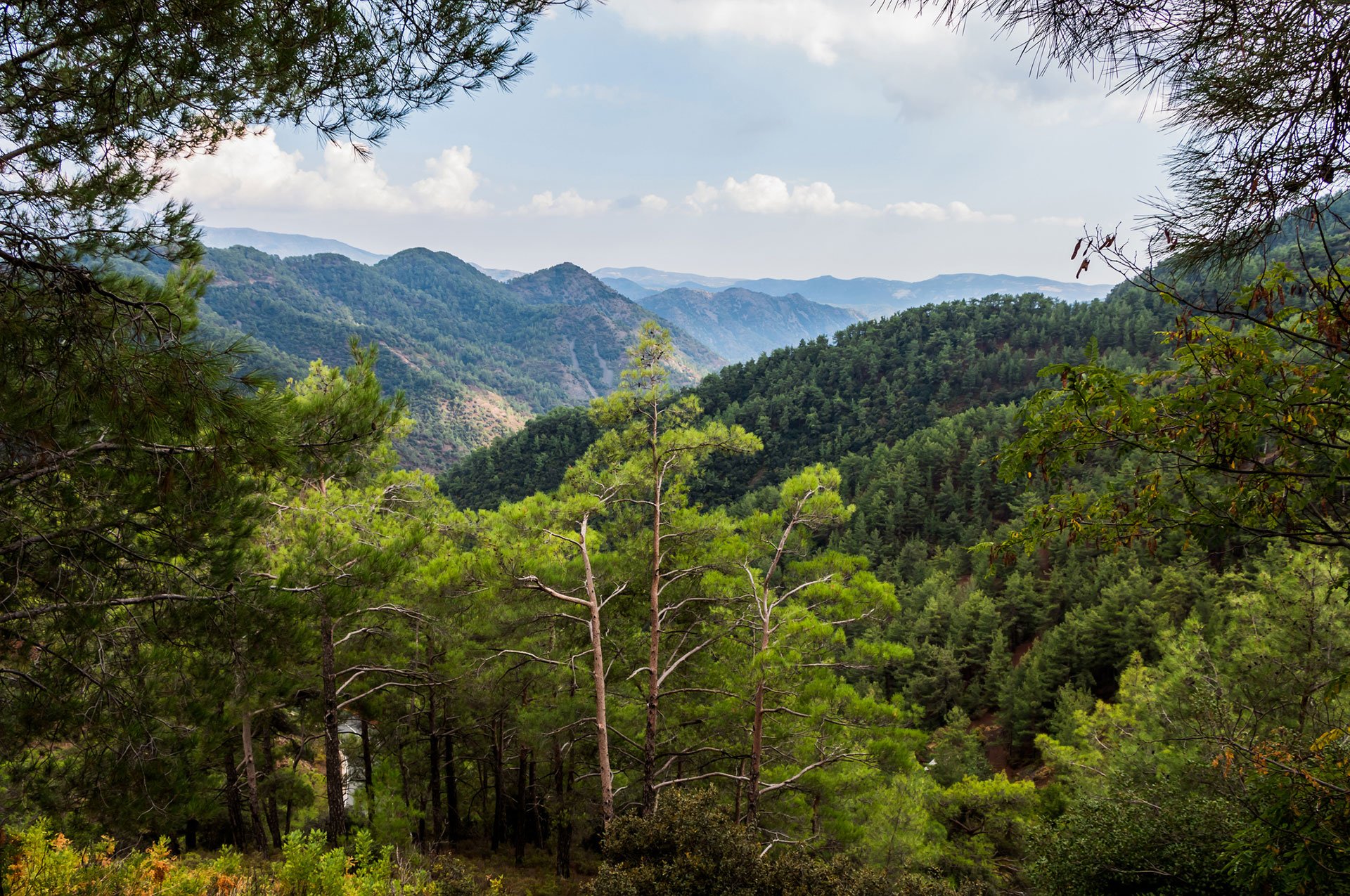
Mountains: The Foundations of Life and Resilience
● Why Mountains MatterWhy Mountains Matter
Mountains matter because they sustain life far beyond their slopes.
They are sources of freshwater, biodiversity, forests, food, energy, genetic resources, cultural landscapes, ecosystem services and local knowledge. They host communities that have learned, over generations, to live with altitude, slope, scarcity, distance, risk and seasonal change. They are territories of life, production, memory, adaptation and innovation.
Mountains are among the essential territorial systems of the planet. Μountains cover 39 million km² - approximately 27 percent of the world’s land surface, as per the UNEP-WCMC classification. They are home to more than one billion people, approximately 15 percent of the global population, and supply freshwater to an estimated half of humanity. They host 25 of the world’s 34 biodiversity hotspots. About 30 percent of Key Biodiversity Areas worldwide are located entirely or partially in mountain areas, and 88 percent of the Earth’s 821 ecoregions include mountains. More than half of the world’s 738 biosphere reserves are found in mountain areas, including 13 transboundary mountain biosphere reserves. These figures are not decorative; they show that mountains are central to the planet’s ecological balance and to the well-being of societies far beyond mountain territories themselves. (FAO / Mountain Partnership, “Why Mountains Matter”; UNESCO / WNMBR Policy Brief on Mountain Biosphere Reserves).
Mountains are also living territories of human adaptation. Over centuries, mountain communities have created productive systems, terraces, pastoral routes, water infrastructures, settlements, sacred places, local varieties, food traditions and forms of collective organisation shaped by altitude, slope, scarcity and seasonality. Their landscapes are territories of work, knowledge and care.
This is why mountains cannot be understood through a single sector. They are integrated territorial systems. Their future depends on the ability to connect water, biodiversity, food systems, forests, cultural heritage, local economies, social cohesion, governance and public policy.
For MountMed, the value of mountains is both universal and territorial. It is universal because mountains provide essential ecological functions for humanity. It is territorial because this value becomes real in specific places: in watersheds, forests, villages, terraces, local products, community memory, productive practices, social ties and the capacity of mountain communities to shape their own future.
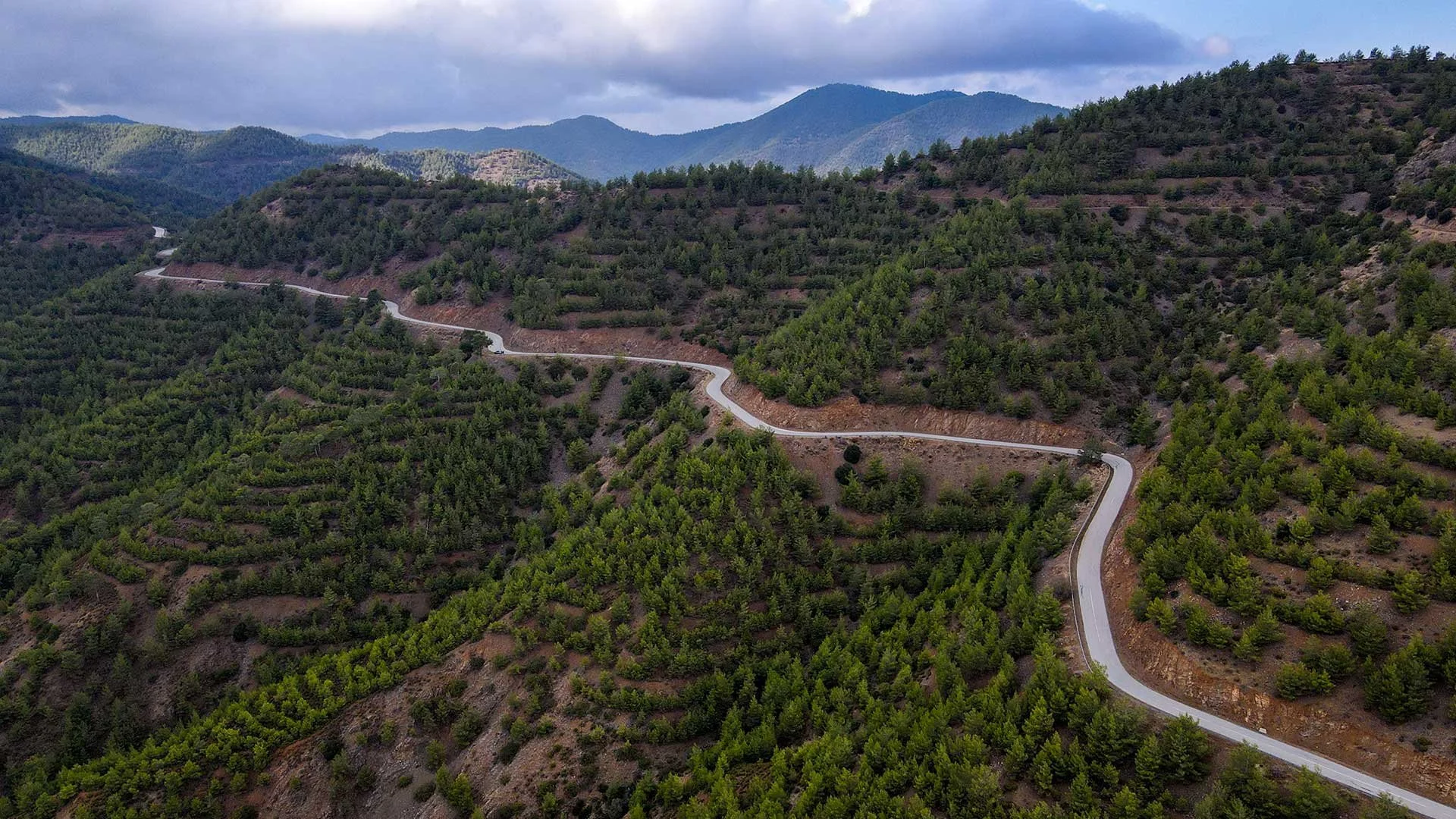
What Is a Mountain?
A mountain is not defined by altitude alone. Mountain areas are shaped by elevation, slope, relief, climate, ecological zones, accessibility, land use, settlement patterns, cultural landscapes and the way communities inhabit, manage and understand them.

Mountains Are Lifelines
Mountains are lifelines for people, ecosystems and territories. They supply freshwater, regulate flows, host forests, protect soils, preserve biodiversity, support agriculture and pastoral systems, produce high-quality food, conserve genetic resources and sustain cultural landscapes.
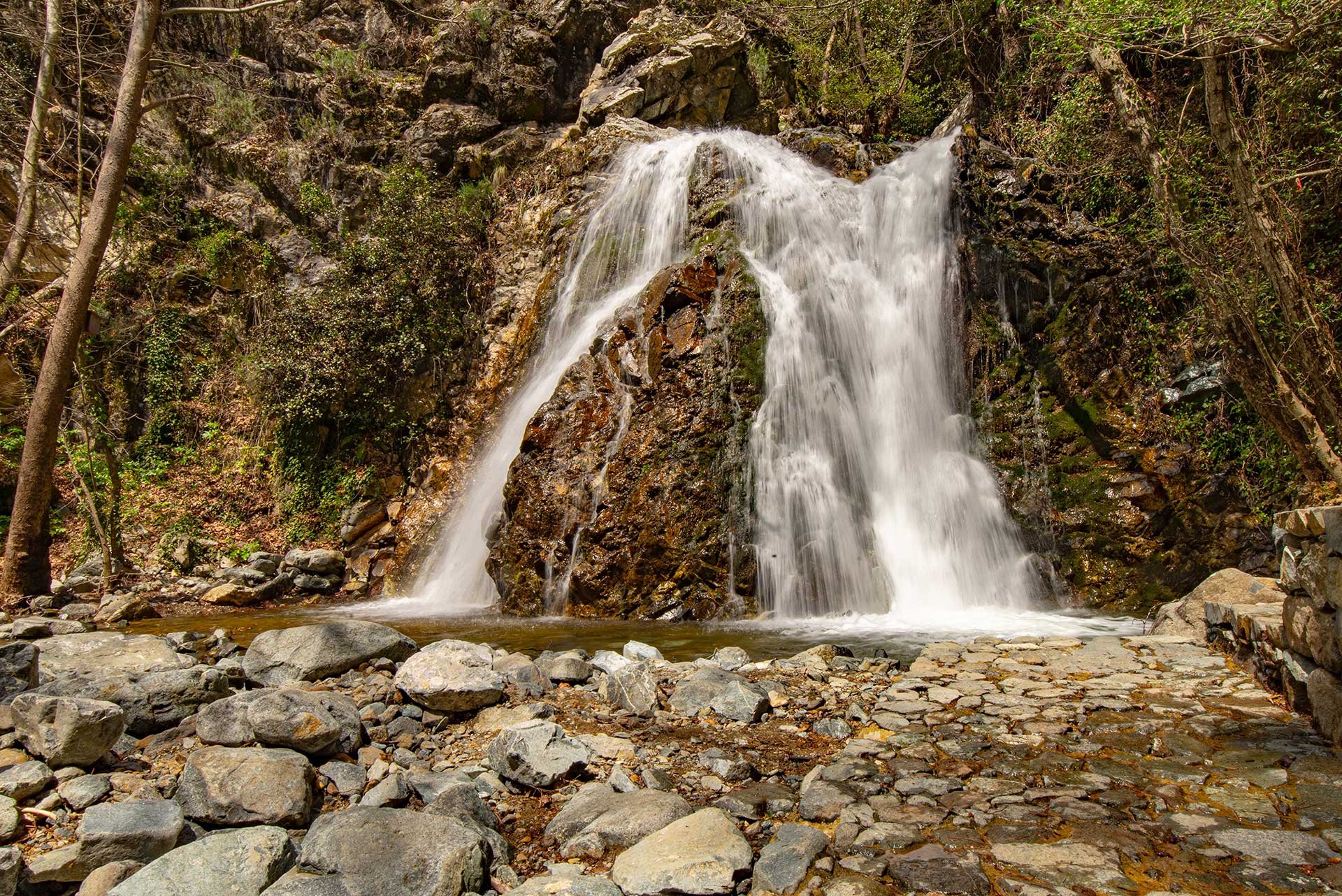
Mountains as Water Towers
Mountains are often described as the world’s water towers. They store and release water through snow, glaciers, forests, soils, watersheds and aquifers.

Biodiversity, Forests and Genetic Resources
Mountains are storehouses of global biodiversity. They support approximately one quarter of terrestrial biological diversity, while half of the world’s biodiversity hotspots are concentrated in mountain areas.
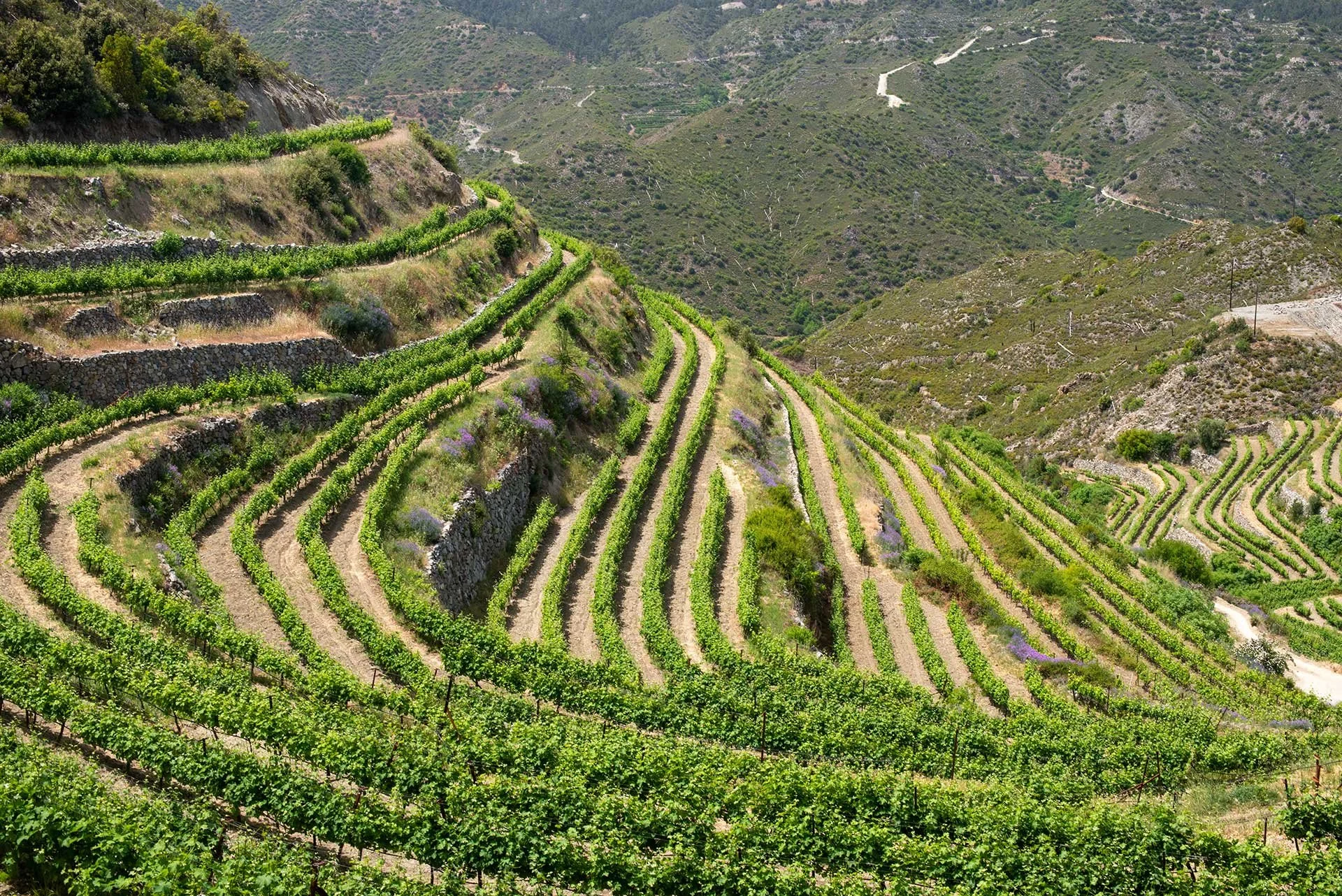
Mountain Agriculture, Food Systems and Terraced Landscapes
Mountain agriculture is a distinctive territorial system shaped by elevation, slope, climate, soils, biodiversity, cultural practices and local knowledge.
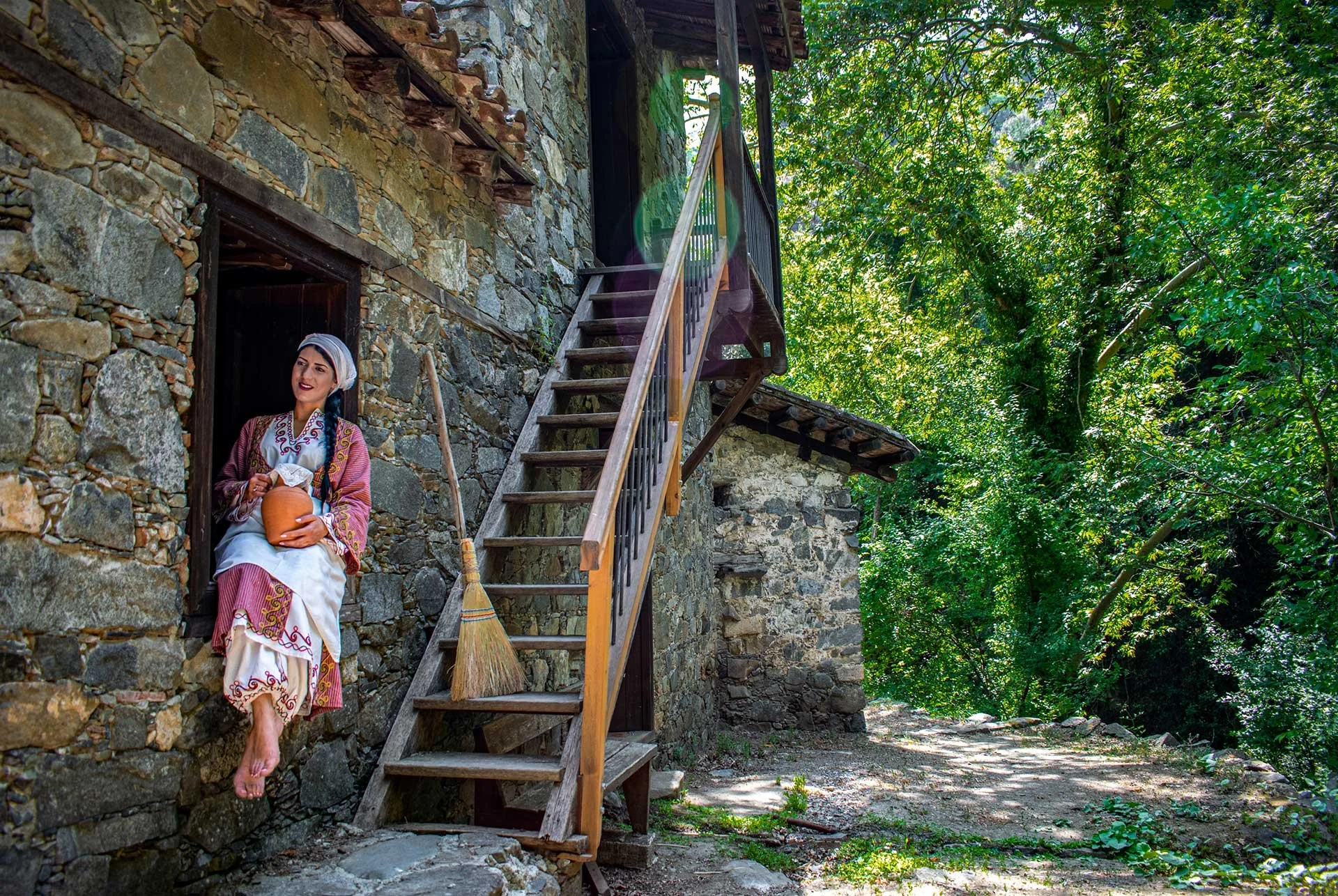
Culture, Memory and Living Heritage
Mountains are cultural territories. They have shaped languages, rituals, forms of social organisation, sacred places, architecture, craftsmanship, food traditions and collective memory.