
Mountains Are Lifelines
Mountains are lifelines for people, ecosystems and territories. They supply freshwater, regulate flows, host forests, protect soils, preserve biodiversity, support agriculture and pastoral systems, produce high-quality food, conserve genetic resources and sustain cultural landscapes. They are also places where local and traditional knowledge has been shaped by long adaptation to environmental constraints.
Key facts
Mountains are home to more than one billion people, approximately 15 percent of the global population.
Mountains cover 39 million km² - approximately 27 percent of the world’s land surface, as per the UNEP-WCMC classification used by FAO / Mountain Partnership.
Mountains supply freshwater to an estimated half of humanity.
Mountains host 25 of the world’s 34 biodiversity hotspots.
About 30 percent of Key Biodiversity Areas worldwide are located entirely or partially in mountain areas, and 88 percent of the Earth’s 821 ecoregions include mountains.
More than half of the world’s 738 biosphere reserves are found in mountain areas, including 13 transboundary mountain biosphere reserves. UNESCO’s Man and the Biosphere Programme defines biosphere reserves as “sites of excellence for exploring and demonstrating conservation and sustainable development approaches at a regional scale”.
Climate change is affecting mountains through glacier retreat, permafrost thaw, climate-related hazards and implications for lowland water supply.
These figures help shift the perception of mountains. Their global value lies in their multifunctionality: ecological reserves, productive territories, cultural landscapes, water systems, places of habitation and living archives of human adaptation.
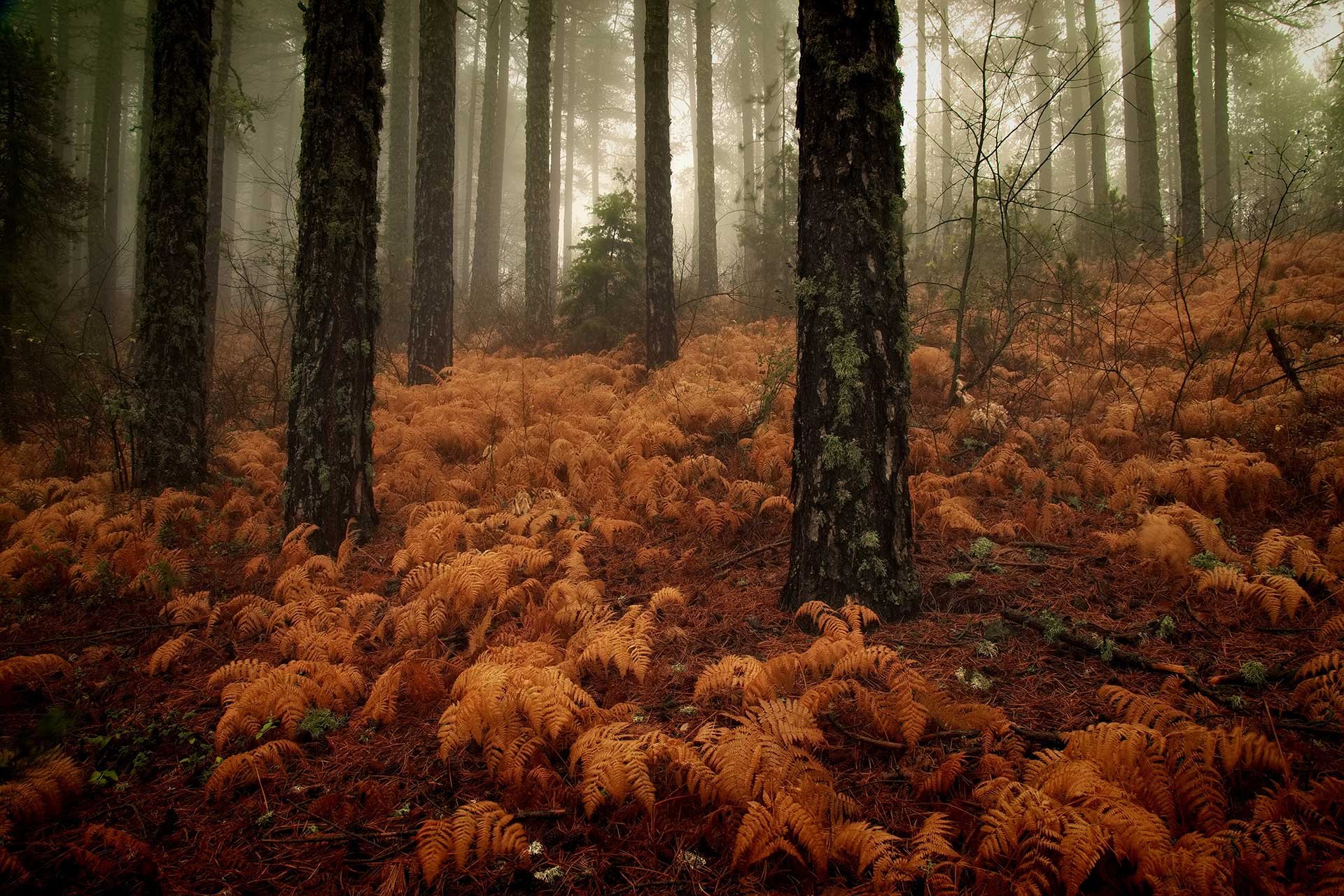
2ο βραβείο / Χειμώνας στο δάσος
ΧΡΙΣΤΑΚΗΣ ΣΑΖΕΙΔΗΣ