
What Is a Mountain?
A mountain is not defined by altitude alone. Mountain areas are shaped by elevation, slope, relief, climate, ecological zones, accessibility, land use, settlement patterns, cultural landscapes and the way communities inhabit, manage and understand them. They are both physical formations and lived territories.
A shared territorial definition describes a mountain as a relief sufficiently high and extensive to reveal a tiering of ecosystems and to induce transformations in natural environments, socio-economic activities or public policies. This definition is important because it recognises the mountain as a territorial system where geography affects ecology, livelihoods, mobility, governance and public action. (Laurent Rieutort, “Territorial challenges of European mountain areas”, in Mountain areas of large Mediterranean islands: European issues, National and Regional policies and local mechanisms, 2021).
For global mapping and monitoring, the UNEP-WCMC model combines elevation, slope and local elevation range. It delineates mountains through elevation-based classes starting above 300 metres above sea level when local elevation range is significant. This confirms that “mountain” is a combination of verticality, relief and territorial conditions, not a simple altitude threshold.
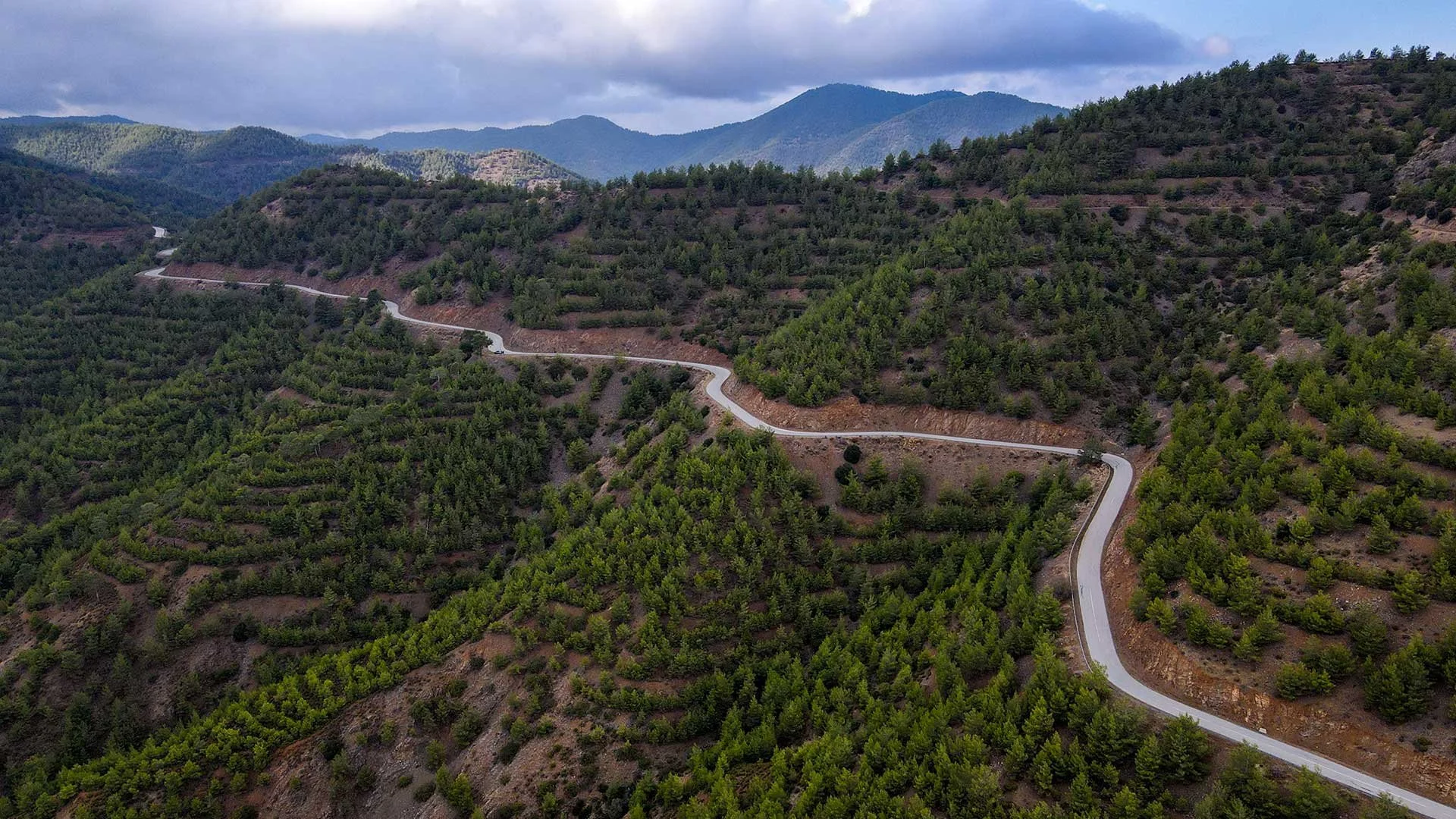
3ο βραβείο / Αναδασωτέες εκτάσεις Μαραθάσας
ΜΙΧΑΛΗΣ ΠΑΠΑΧΑΡΑΛΑΜΠΟΥΣ